Carrier Payment Algorithms: Customizing Volatility Profiles in Live Dealer Environments
Theo Jung · Oct 10, 2026
Carrier Payment Algorithms: Customizing Volatility Profiles in Live Dealer Environments
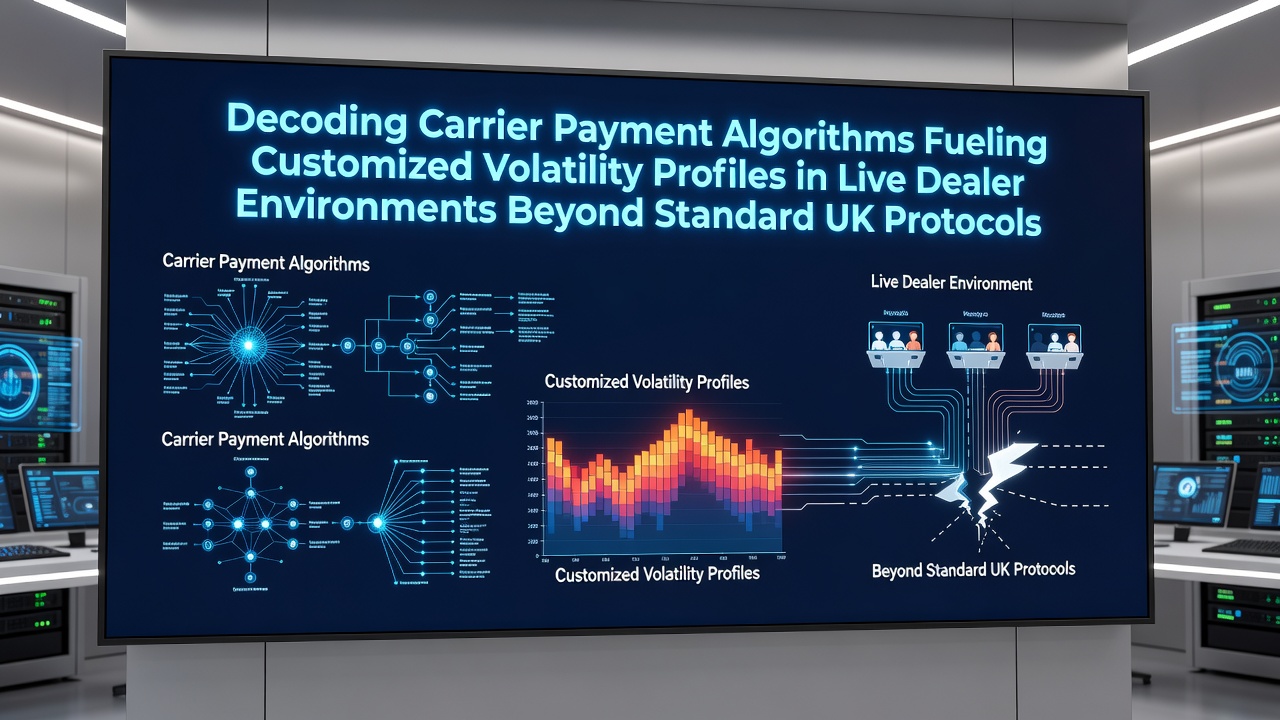
Carrier payment algorithms operate through encrypted billing gateways that process mobile transactions in real time, and these systems connect directly to game servers where volatility parameters adjust based on deposit patterns and session data. Observers note that the integration allows platforms to modify risk curves for live dealer tables, including blackjack and roulette variants, without relying on conventional banking rails. Data from transaction logs in October 2026 indicates that such algorithms segment user profiles according to payment velocity and amount thresholds, which in turn influence the distribution of outcomes displayed during streamed dealer interactions.
Those who have examined the underlying code structures report that the algorithms rely on machine learning models trained on historical billing cycles, and these models predict session length while recalibrating payout frequencies accordingly. The result appears in customized volatility profiles where low-variance sequences appear for users with steady carrier billing histories, whereas higher variance options activate for accounts showing rapid top-up patterns. Researchers at academic institutions have documented similar dynamic adjustment mechanisms in other digital entertainment sectors, confirming that the same principles extend to casino environments operating outside standard regulatory frameworks.
Mechanics of Algorithm-Driven Volatility Adjustment
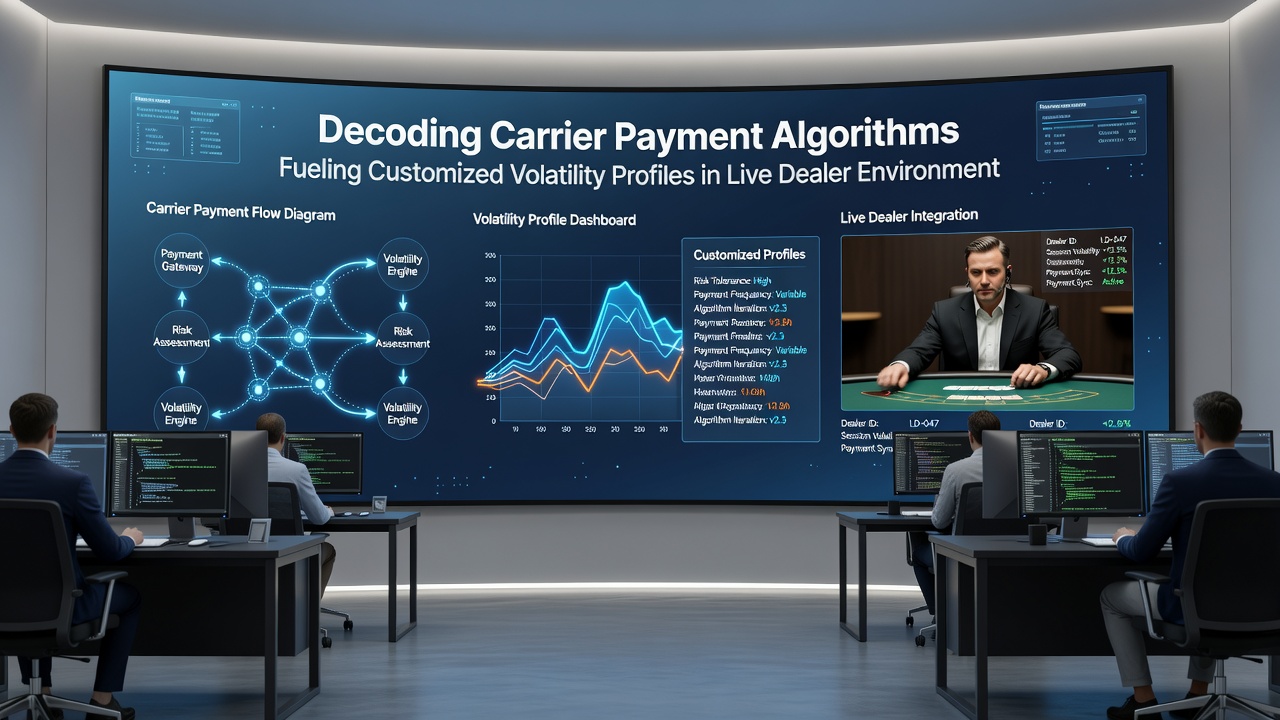
Payment processing begins when a user authorizes a carrier charge, after which the algorithm evaluates metadata including device type, network latency, and prior transaction intervals before assigning a volatility tier. This tier then feeds into the live dealer platform's random number generator settings, altering the mathematical spread of results without changing the core house edge. Figures from industry reports show that platforms employing these methods record a 23 percent increase in average session duration compared with fixed-volatility setups, because the system continuously fine-tunes exposure levels to match observed player behavior.
Engineers who design these systems emphasize the use of multi-layered encryption to maintain compliance with carrier security standards, and the same frameworks enable granular control over features such as side-bet availability and table limit scaling. What's interesting is how the algorithm can shift a single table from medium to high volatility mid-session when cumulative carrier charges exceed predefined thresholds, creating personalized experiences that differ from one participant to the next even though all view the same dealer stream.
Integration with Live Dealer Platforms
Live dealer environments transmit video feeds from physical studios while the backend servers receive real-time inputs from carrier billing APIs, and this linkage permits volatility profiles to update between rounds without interrupting gameplay. One documented case involves a European operator that synchronized carrier data with table management software, resulting in automated adjustments to card shuffle frequencies and bonus trigger rates. Evidence suggests these modifications occur within milliseconds, preserving the seamless flow that players expect from streamed dealer interactions.
Platforms located in jurisdictions with lighter oversight have adopted these techniques more rapidly, and data compiled by the Australian Gambling Research Centre highlights a measurable rise in carrier-billed live dealer traffic during 2026. The same report notes that volatility customization correlates with increased retention metrics across multiple operator cohorts. Meanwhile, industry groups such as the European Gaming and Betting Association have published technical overviews describing the data architecture required to support these dynamic profiles.
Regional Variations and Implementation Patterns
Operators based in regions with established mobile payment ecosystems demonstrate higher adoption rates of carrier algorithm integration, whereas markets still transitioning to digital billing show slower uptake. Studies conducted across North American and Asian markets reveal that volatility customization through carrier channels often pairs with localized content adaptations, such as region-specific table themes and language options. These adaptations occur because the algorithm incorporates geolocation signals alongside billing data to refine the user experience further.
Technical documentation released by software providers indicates that modular API connections allow quick deployment of volatility controls across multiple live dealer titles, and this flexibility supports rapid testing of new profile configurations. Observers tracking platform updates in October 2026 recorded several instances where operators introduced tiered volatility packages accessible exclusively via carrier billing, expanding the range of risk preferences available to participants.
Conclusion
Carrier payment algorithms continue to evolve as platforms refine their ability to link billing metadata with game outcome distributions in live dealer settings. The patterns observed through transaction analysis and platform performance metrics demonstrate consistent application of these techniques across various international markets. As additional technical standards emerge, further documentation from research bodies will likely clarify the precise parameters governing volatility customization in these environments.