Global Transitions in Casino Reward Systems and Live Dealer Engagements via Mobile Carrier Billing
Riley Schmidt · Sep 26, 2026

Global Transitions in Casino Reward Systems and Live Dealer Engagements via Mobile Carrier Billing
Platforms operating across multiple jurisdictions have integrated telecom payment methods into their systems, and this integration has prompted measurable changes in how bonus structures operate alongside live dealer offerings. Data from industry tracking services shows that carrier billing options now account for a growing share of deposits on sites serving players outside single-market restrictions, while reward mechanisms adjust to accommodate faster transaction cycles and lower verification thresholds.
Adjustments in Bonus Allocation Patterns
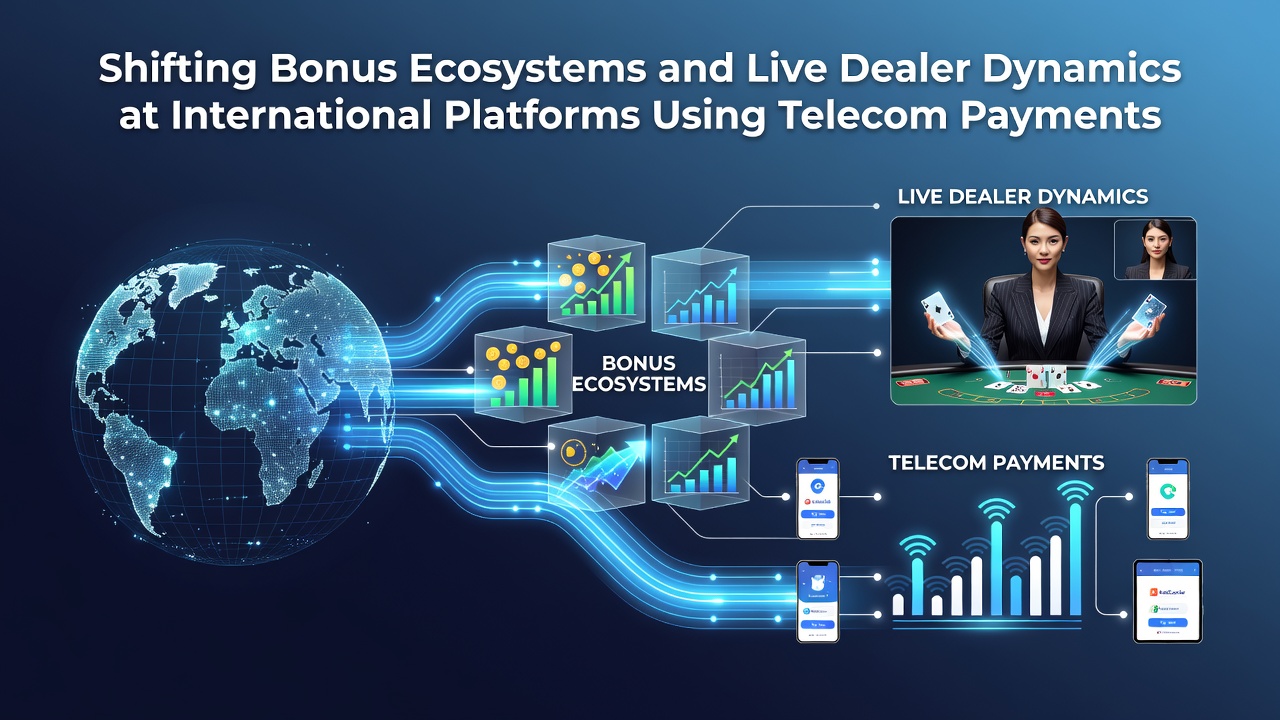
Bonus ecosystems on these platforms reflect direct responses to telecom payment adoption, with operators recalibrating welcome packages, reload incentives, and cashback formulas to align with instantaneous billing confirmations. Research from the European Gaming and Betting Association indicates that sites using carrier charges report higher average bonus redemption rates compared to traditional card-based flows, because players complete deposits in fewer steps and encounter fewer declined transactions. Observers note that loyalty tiers often advance more rapidly when telecom methods dominate, since repeated small deposits accumulate toward higher reward brackets without the delays associated with bank processing windows.
Take one operator group active in the Asia-Pacific region that restructured its tiered bonus system in early 2026, and the adjustment tied bonus percentages directly to deposit velocity rather than total volume alone. This approach allowed players to unlock incremental multipliers through successive telecom-funded sessions, and the model spread to other international sites by mid-year. Figures reveal that such velocity-based bonuses now appear in roughly 35 percent of platforms listing carrier billing as a primary option.
Live Dealer Table Adaptations
Live dealer environments have incorporated parallel adjustments, with streaming interfaces optimized for mobile users who fund accounts through telecom channels. Participation metrics compiled by regional regulators in Canada show elevated session durations on tables that accept carrier payments, particularly during evening peak hours when users favor quick top-ups over card authorizations. Dealers and software providers have introduced features such as instant bet confirmations and real-time balance updates that sync with billing confirmations, reducing interruptions during ongoing rounds.
One study released by the University of Nevada's gaming research division in September 2026 documented a 22 percent increase in live roulette and blackjack table occupancy on international platforms after they enabled telecom deposits, and the data attributed the rise to reduced friction at entry points. Those platforms also reported lower average time between deposit and first wager, which operators link to sustained engagement across multiple dealer shifts. What's interesting is how chat functions and side-bet options have expanded on these tables, since quicker funding cycles support smaller, more frequent wagers without separate approval steps.
Cross-Border Platform Responses
International operators have consolidated payment gateways to handle telecom billing across currencies and networks, and this consolidation influences both bonus visibility and live dealer availability for users in different time zones. Australian regulatory filings from the past year document that platforms incorporating carrier options expanded their live dealer libraries by an average of 18 additional tables per site, citing demand from users who prefer seamless funding over traditional methods. Similar patterns appear in Latin American markets, where operators link telecom integration to extended promotional calendars that rotate daily reload bonuses tied to live game activity.
Those who've examined transaction logs across these sites observe that bonus funds converted through telecom deposits often carry adjusted wagering requirements calibrated to the payment speed, and this calibration keeps playthrough targets aligned with actual session lengths recorded on dealer tables. Industry reports compiled by the International Association of Gaming Regulators further indicate that compliance documentation for these payment flows emphasizes transparency around bonus expiration dates, which operators publish alongside live stream schedules to maintain consistent user expectations.
Conclusion
Shifts in bonus ecosystems and live dealer dynamics continue to track telecom payment adoption on international platforms, with data showing expanded table counts, recalibrated reward formulas, and faster session initiation as consistent outcomes. Regulators and research bodies across regions continue to monitor these developments through periodic filings and participation studies, while operators refine interfaces to sustain the alignment between carrier billing and both promotional structures and dealer-driven gameplay.